Wednesday, April 15, 2020

Incorporating Language Arts in STEM


     Teaching STEM to elementary school children aims to teach science, technology, engineering, and math as an integrated team of skills instead of breaking them up. The four components are taught together with real life scenario and hands on learning. STEAM embraces this same idea. Incorporating arts into STEM is important because it helps to develop the whole child and their abilities to showcase the integration of these skills in the future. When you look at science standards, almost every single one has an ELA component to it. THIS is why the “A” is important in STEAM. Students must learn how to communicate their learning orally or in writing, give explanations, and asking and responding to questions. The possibilities are endless when it comes to how to incorporate Language Arts into STEM learning. It might even be better to think of this integration of concepts as integrating STEM into Language Arts.
     I love the idea of using theater when teaching STEM skills. In the video below, you will see some FANTASTIC teachers using engaging theater techniques to assist the learning of math and science concepts. It just seems so fun to use the art of acting to teach STEM concepts.
Another way to incorporate ELA and STEM is through a wide variety of books for all ages! You could read “The Three Little Pigs” and have young children design and test their own house designs to experiment with structures and how much they can withstand. You can read the amazing book, “Junkyard Wonders” and have students use recycled materials to design and create something and then write about their creation. You could use the story “The Mitten” to incorporate sequencing and coding skills that show the timelines of events that occur in the book. Finally, use the classic book, “Chicka Chicka Boom Boom” to challenge students to build a tree that can withstand as many letters as possible. This also helps with letter recognition!
     There are multiple books that challenge students to solve real world problems. Books such as “The Water Princess”, “Wangari’s Trees of Peace”, “The Boy Who Harnessed the Wind”, and many more teach about environmental issues and can be useful in challenging students to recognize and design solutions to problems that effect the world.
     There are so many ways to incorporate STEM learning and ELA. The trick is to just be creative and know no bounds!

Saturday, April 11, 2020

Active Learning Strategies


     Active learning is any method of instruction that engages students in the learning process. It encourages students to think about their learning and be an active participate in their learning. This type of teaching method promotes student involvement, ultimate engagement, critical thinking skills, independence, creativity, collaborative skills, and student motivation. It is important to use these methods in the classroom, because if you look at the cone of learning you will see that students remember 90% of what they say and do compared to the 10% of what they just hear from traditional lecturing. Basically, using active learning strategies will ensure that students are fully involved in what they are learning.  
     Active learning strategies are useful at a variety of times in the classroom. I especially like using active learning strategies when students are working in pairs or a small group. Some other times to use active learning is to assess prior knowledge, check for understanding, let students summarize their learning, and gather pre-assessment data.
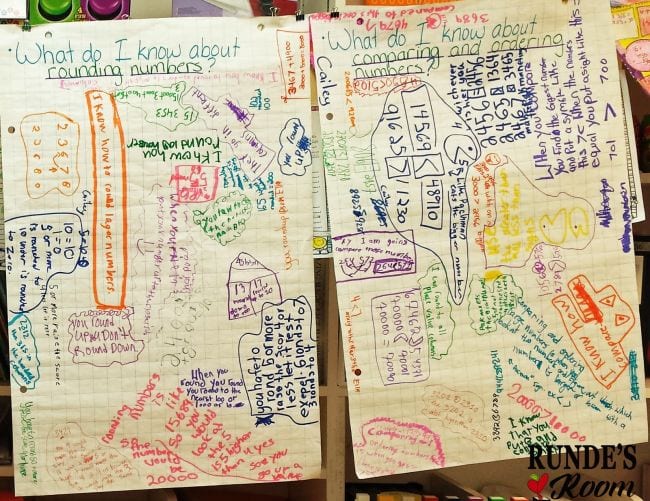
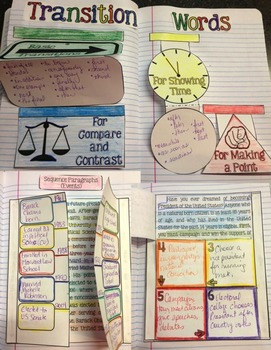
     There are so many different strategies you can use to teaching active learning, so I am going to discuss a few that I really enjoy. One common active learning strategy that is useful in the think, pair, share method. This method builds in a wait time so students really have to think about a response or solution. Then they share with a partner, which increases level of participation. This is a great wait to check for understanding about a topic. I also really enjoy the Biopoem assignment. It has a set of guidelines that students will use as a template to write about a character. This provides the students with a creative way to make a personal connection with a character or a concept. I strategy that is used a lot in my classes is the Graffiti wall. Students go around to different chart papers and add their own thoughts and knowledge about different concepts and topics. This strategy encourages students to move around. It can be used to gather pre-assessment data, access prior knowledge, or have students summarize their learning. The last active learning strategy I will discuss is interactive notebooks.    These are great tools for students to really take ownership of their own learning. Interactive notebooks just make taking notes more fun and organized!
Graffiti Walls in the Classroom - 20 Brilliant Ideas - WeAreTeachers Writing Interactive Notebooks: Writing Activities {Interactive ...
     As a teacher, it is important to remember that your students need to be active in their learning. Active learning strategies make a lesson more engaging and memorable for a student.

Thursday, April 9, 2020

Differentiation


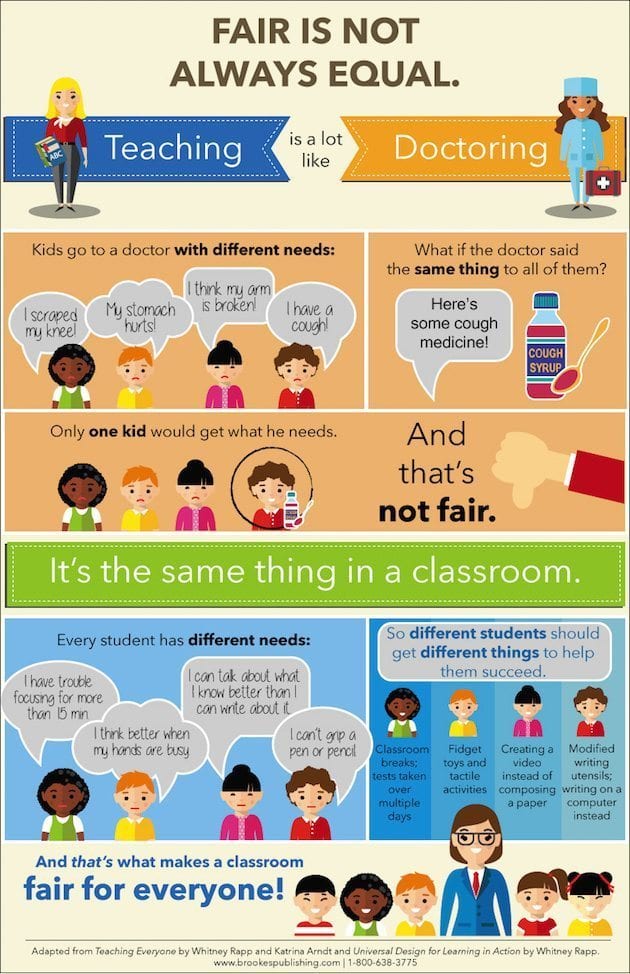
     First of all, I LOVE this video!!! Differentiation is a mindset!! Differentiation in a nutshell is just tailoring your instruction to meet the needs of ALL students. Differentiation gives all students with varying ability levels the best chance of learning. I like to think of differentiation as the Goldilocks Principle, not too hot and not too cold. The instruction needs to be just right for each student to learn. This could mean a change in content that is taught, the process in which it is taught, the end product, or the learning environment. It is our job as teachers to find what best suits each student to ensure success in and out of the classroom.
     Usually when you think of differentiation, your mind goes directly to your low performing students. These students may need added support in a foundational understanding of a concept. A large majority of under-performing students would benefit from a slight change in process. Imagine the success these kiddos could find from engaging in a hands-on activity, or an activity that suits their learning style. From my time in student teaching, I have seen differentiation that changes the way students show their knowledge. Students may be able to show they know a concept in a less traditional way. It is vital to show these students that they are valued without constantly feeling beaten down due to struggling in academics.  
     There are some students that are always forgotten when it comes to differentiation, and that is our average students and high performing students! All strategies that are used for under-performing students will benefit your average students as well. It is important for these guy to feel encouraged when sharing their voice in the classroom. Your higher students will need to be challenged more in the content area, because they tend to get bored. Other students that need to be tended to are your ELL students and unmotivated students, which was a group I didn’t even think of when it comes to differentiation. Bottom line, every student in your classroom has a different learning style, personality, and needs to be a successful learner, and teachers have the task of finding the methods and strategies that work for each particular child.
8 Ways to Get Real With Student Differentiation - WeAreTeachers

    A new app I learned about that sounds very interesting is GooseChase. With this app you can assign students to a mission. The students will be sent around the room to take pictures of specific things from the learning unit. It sounds super engaging, and would be beneficial to a large group of students with different needs.
4d) Tier 1: Differentiated Instruction and Scaffolding: UMTSS ...

Wednesday, April 8, 2020

What's the scoop on NearPod?


    If you have heard of Nearpod but aren’t very familiar, then you should definitely research this spectacular resource. As some of my teacher friends were presenting about the popular classroom tool in our class, I learned so much and was filled with excitement!
Felipe Sommer - Nearpod
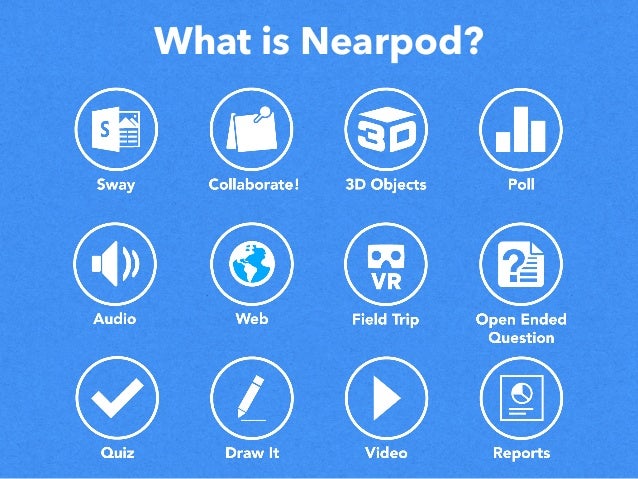
    So, what can you do with Nearpod? I think the better question to ask is what CAN’T you do with this software, because it offers so much for teachers. First, Nearpod offers pre-prepared, interactive lessons, so teachers can spend less time planning and more time teaching. The lessons are separated by subject and grade level, so teachers can easily find and pick out what lesson is needed. Teachers also have the option to add collaborate boards, quizzes, polls, matching activities, and even virtual field trips to the lessons to gear the lesson towards what the students need. Teachers can also synchronize and control lessons across all student devices. Students simply enter a code to begin sharing a live session. This ensures 100% student participation because students are actively participating in polls, open ended discussion questions, or the option to draw their thinking. It really gives students a voice in their learning.
    Another option that Nearpod offers is game-based learning, because who doesn’t love playing games? Time to Climb is a popular game that encourages friendly competition and student interaction as the students race to the top of the mountain while they are learning. It also serves as a great formative assessment tool to see where the students are in their learning. Speaking of formative assessment, this is the perfect software that provides multiple forms of assessment. Students interact with any device to participate in lessons that are rich in formative assessments, such as polls, quizzes, discussion questions, draw it options, and many more. Teachers will get real time feedback to assess what the students already know and what gaps need to be filled. It also provides a post session report for student learning.
    Nearpod easily works with Google Classroom. Teachers can upload existing Powerpoints, PDFs, and Google Slides presentations and convert them to interactive Nearpod lessons. It is so user friendly for teachers!
I could go on about all the awesome things about Nearpod, but I will finish with that most fun thing the app offers, VIRTUAL FIELDTRIPS! Nearpod VR works with many devices, with or without headsets, to take students all over the world! How cool is that?
Teachers Use Nearpod App To Enhance Student Learning | News ...

Tuesday, April 7, 2020

All Things Assessment


 Assessment is a HUGE part of teaching. Every single day teachers should be assessing the students to see what they know about what is being taught. From beginning to the end assessment should be happening. There are two types of assessment: informal and formal. Informal assessment is not “graded”, but it is used to see where students are in their learning. This assessment takes place during learning. An informal assessment may look like a teacher observing or listening to a student discussion to see what the student knows about the topic. Informal assessment may also be recognized as formative assessment because it takes place as the knowledge is still forming for students. Formal assessment on the other hand is very structured and takes place after learning. This is also known as summative assessment because it is the students’ opportunity to really show what they know in a comprehensive way. This is where teachers really test the knowledge of there students.
There are so many fun, awesome ways to use formative assessment in the classroom. Some examples include Think-Pair-Share, journal entries, 4 corners, and fun games like Kahoot! and Quizziz. Summative assessment may take form as a end of unit tests, large projects, and presentations. I really like the representation presented below because it sums up the difference between summative and formative assessment perfectly. Teachers use formative assessment to changed and adjusted to the lesson to ensure that students are getting what they need, just like a chef tastes the soup to adjust flavors as needed. Summative is the final product in which students present their final knowledge.
 
There are so many different types of assessments for both formative and summative. The possibilities are endless. Teachers can use traditional paper assessment, performance based assessments that show direct learning, or choose to use the multiple technological methods as an alternative. Some popular technology assessments include Kahoot!, Prodigy, Educreations, and my personal favorite Flipgrid. Whatever the method it is important to turn to formative assessments to understand where students are in there learning and what you need to do to get them where they need to be! Then use that summative assessment to asses your own teaching methods and evaluate how to improve the lesson on your end.


Monday, April 6, 2020

ELL Strategies for Success

  Resources for Teaching English-Language Learners | Edutopia

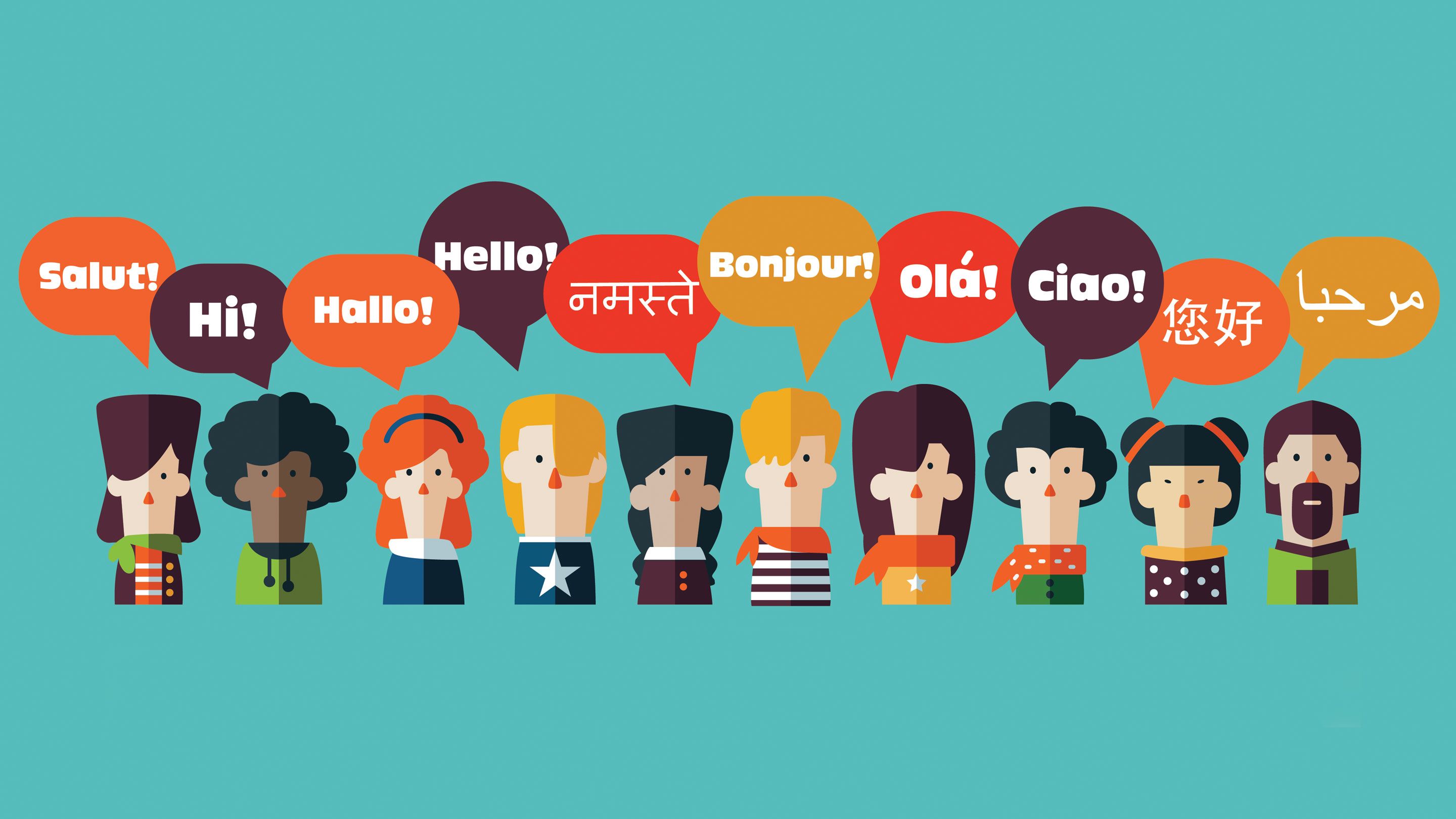
   If you are a teacher, chances are you’ve had an ELL student in your classroom! ELL stands for English Language Learners. ELL students are the sweet kiddos that are unable to communicate fluently or learn effectively in English. These students include your kiddos that are learning English as a second language, and these students usually come from non-speaking English homes and backgrounds. It is so important to remember that these students are not “lower” students. Usually they know or understand the concept that is being taught, but they just struggle with understanding and using the English language. Some teachers may feel lost about differentiating for an ELL student, which is totally understandable. It is hard to put yourself in the shoes of an ELL student to know what might be most effective for your English learners, but it is vital to provide modified or specialized instruction for these students to thrive in your classroom.
     First things first, you MUST cultivate relationships with the ELL students and their families. Many teachers advise going on home visits to get a more in depth understanding of the student’s home life, hobbies, and family. This knowledge about the student’s cultures should be brought in the classroom to make their culture feel appreciated and valued. By bringing in ELL students’ culture and language into the classroom, you will be creating a supportive environment that embraces their culture and abilities. It is also very important to make your students that are not fluent in English to feel comfortable. This can look like the teacher trying to communicate in their language or using their language in lessons. Even if the teacher sounds silly, at least the student sees that the teacher is trying, and this can make the student open up in the classroom. There are multiple ways to incorporate their native languages such as Google Translate, through videos, using books in their native language or books that reflect their culture, and through photographs. Another strategy to support ELL students is to increase think time. Your ELL students need time to process their thoughts and produce an answer. Even when speaking teachers should take their time when teaching so that ELL students can truly hear what you are saying. Differentiating assessment for ELL students is a great way to support the students. Sometimes the outcome way be different from other students in the class, but if there’s a way for the students to present their understanding, then let them. Make sure you give your students multiple ways to learn through writing, speaking, moving, drawing, and listening (think Gardner’s multiple intelligences).

     Remember that ALL students are different. It is our jobs to use whatever tools and resources we need to give all students an opportunity to thrive and succeed in the classroom. Try new things, think outside the box. You never know the impact you could be making!
Education Week American Education News Site of Record

Friday, March 20, 2020

Coding and Robotics


     When you think of coding and robotics in education you may envision high school juniors and seniors working with computer programs and building robots right? Well think again because coding and robotics is now a part of elementary classes everywhere! Isn’t that exciting!? As a child I always loved math and science (yes, I am a part of that weird minority), but I would have loved to be a child growing up in this modern world where coding and robotics have become accessible to students in all grades, not just high school.

     In a world that has become so technologically advanced, it is important to prepare kids for the world they will be working in in the future. Although concepts of programming and coding may sound too difficult for younger students, even kindergarten students can quickly grasp concepts of sequences that stand as the foundation of coding. Ultimately coding is just writing instructions that a program or a robot can execute. Robots are so cool, because they allow students to see their thinking and work in a real way as their robot performs the task that was intended, and they are so much fun to work with!


     Working with coding and robots seem so fun and engaging to students, but they are actually learning much more than they may think. Kids are given the opportunity to improve communication skills as they work with other students. The students must work together to complete tasks efficiently, which fosters teamwork and respect between peers. Another biggie that all students need to learn at a young age is perseverance! Coding can be difficult, and there will be multiple failed attempts before a success. Coding is an awesome way to teach students that failing is okay as long as they keep trying! Another skill that is encouraged through coding and robotics is problem solving. Students can receive a problem or task and determine the best way to program their robot to perform the desired task! These are skills that aren’t the main focus of coding, but are definitely beneficial for students at such a young age.

     One new thing I learned about was all the interesting ways you can use robots and coding throughout all content areas. One of my favorite examples, was using the BeeBot on a map in a Social Studies lesson. How creative is that?!


Student-led Conferences and Digital Portfolios


     A growing trend in the education world is student led conferences. For years, the primary means of communication between parents and teachers were conferences between the two parties, but this is changing in the modern classroom. In more and more classrooms students are beginning to take the lead in communicating their own progress and struggles. Student led conferences are beneficially for students because they are able to assess themselves and communicate their struggles and successes with their teachers and parents. It helps students to be able to take responsibility for their own learning by taking the lead and opening communication lines. This conference model has highlighted the student’s voice and insights, which draws a better picture of what the student is doing well at or struggling with and, most importantly, why.

      Although student led conferences may take extra work to prepare, the work is worth it. Just like everything in the teaching world, PREPARATION is key! For a successful student led conference, teachers should guide students through reflection of their own work. Through this preparation and reflection, students can identify their strengths, weaknesses, and set goals for the future. The students can look back on their portfolios to find work that can be used as evidence during their student led conference. This part is vital because it provides all participants in the conference with tangible representations of academic progress.

     One way of keeping track with student work is through digital portfolios. I have heard of some apps used to keep track of student work such ass SeeSaw and ClassDojo, but learning more about this way to keep record of student work was interesting to me. One new application that I learned about was WeLearnedIt. This is an easy and free app that allows students to create digital portfolios. Students can upload their work on this application and use it for future student led conferences. One awesome feature of this app is that teachers can leave feedback on student work through the app! I think it is important for the teacher and student to have an ongoing portfolio that holds student work from the beginning to the end of the school year. It provides evidence of academic growth and achievements that students have made.


     Below is an awesome video that shows the importance of students taking ownership of their learning and facilitating their own conferences.


Tuesday, March 17, 2020

Autism and the iPad


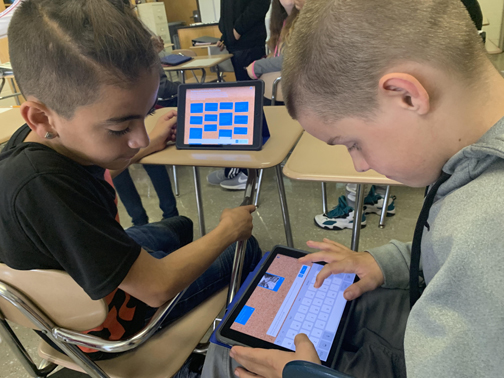
As a teacher, there is a huge chance that you will have a child that is on the Autism spectrum. One of the biggest hurdles for students with ASD and teachers is the barrier in communicating. Students with Autism can have a difficult time with putting their feeling and thoughts into words, which makes it hard for these students to connect with teachers, peers, and the world around them. So what can we do as educators to ensure a true connection and understanding of students with Autism. A surprising answer may be the iPad. This technology is so important to have in school to support students with Autism. The iPad is used as a tool to revolutionize how students with Autism can connect to their peers and express their thoughts and emotions. The iPad is such a functional tool for many reasons. The touch screen is very user friendly and more accessible to students who may have learning difficulties or problems with coordination. The iPads are also extremely mobile, which differs from a regular computer. Students can have them throughout the day because they are very easy to carry around. Another reason why iPads are the perfect tool to bridge the communication gap is because they provide many different apps to meet the needs of students on the spectrum. As stated above, students with Autism can have difficulty communicating their thoughts, needs, and wants. Apps, such as TippyTalk and Touch and Learn-Emotions, have made the process of communicating so much easier for students with Autism. These apps were new to me, so I was very interested to find out more about them! TippyTalk allows kids to send a text that is formed through pictures, but the receiver of the text would get a text in written form. It takes the chosen pictures that the child with autism would pick and then translate it into written text, which can be better understood by teachers and other adults. The Touch and Learn-Emotions app helps students to identify different emotions based on facial expressions and body language. These apps can be very beneficial in reaching a child with Autism. It will allow a connection to be made that may not have been possible without using iPads. Another way the iPad can have a positive effect on students with Autism is by using it as an aid during transitional times. An iPad can provide students with a visual schedule that will make them aware of what they will be doing and when. An iPad can give students with Autism an easily accessible schedule that provides structure and routine which is imperative for students.


Social and Emotional Learning

 Social and emotional learning has become a huge part of the education world. It is a process of teaching children the different emotions and feelings they can have and learning appropriate ways to manage their emotions. Social and emotional learning focuses on developing the whole child to ensure they will maintain positive relationships, make good decisions, set reachable goals, and show empathy to others. It is important for students to learn about feelings, so they can express those feelings to their peers. Social and emotional learning teaches a child to interact and respond in a proper manner with their peers. For example, if a Suzie keeps making fun of Bob, then Bob should know how to respond appropriately by voicing his feelings. Bob can say, “Suzie, you are hurting my feelings. Will you please stop saying that?” Bob is able to recognize how Suzie is making him feel and address it in a way that doesn’t involve violence or lashing out. This is vital in a child’s development because they need to learn how to understand what they are feeling and thinking and determine the best way to make their feelings known. Conscious discipline is a major factor in social and emotional learning. It empowers students and teachers to be proactive instead of reactive during conflict with others. Conscious discipline isn’t about punishment, but it helps teachers and students to become disciplined in how they speak and interact with others. It teaches safe behaviors and social skills that are needed for building positive and healthy relationships. One awesome thing I learned about social and emotional learning was all the awesome apps that can be used in the classroom. One of the apps that piqued my interest was Superbetter. It is a video game-like app that uses student made goals and encourages and rewards healthy behaviors. Another interesting strategy that I will definitely use in my classroom is having a calming corner, in which students can isolate themselves when they feel like their emotions are taking over. The students can self-regulate their emotions and evaluate their feelings and how to react appropriately.


How AWESOME does this calm down corner look?