Wednesday, April 15, 2020

Incorporating Language Arts in STEM


     Teaching STEM to elementary school children aims to teach science, technology, engineering, and math as an integrated team of skills instead of breaking them up. The four components are taught together with real life scenario and hands on learning. STEAM embraces this same idea. Incorporating arts into STEM is important because it helps to develop the whole child and their abilities to showcase the integration of these skills in the future. When you look at science standards, almost every single one has an ELA component to it. THIS is why the “A” is important in STEAM. Students must learn how to communicate their learning orally or in writing, give explanations, and asking and responding to questions. The possibilities are endless when it comes to how to incorporate Language Arts into STEM learning. It might even be better to think of this integration of concepts as integrating STEM into Language Arts.
     I love the idea of using theater when teaching STEM skills. In the video below, you will see some FANTASTIC teachers using engaging theater techniques to assist the learning of math and science concepts. It just seems so fun to use the art of acting to teach STEM concepts.
Another way to incorporate ELA and STEM is through a wide variety of books for all ages! You could read “The Three Little Pigs” and have young children design and test their own house designs to experiment with structures and how much they can withstand. You can read the amazing book, “Junkyard Wonders” and have students use recycled materials to design and create something and then write about their creation. You could use the story “The Mitten” to incorporate sequencing and coding skills that show the timelines of events that occur in the book. Finally, use the classic book, “Chicka Chicka Boom Boom” to challenge students to build a tree that can withstand as many letters as possible. This also helps with letter recognition!
     There are multiple books that challenge students to solve real world problems. Books such as “The Water Princess”, “Wangari’s Trees of Peace”, “The Boy Who Harnessed the Wind”, and many more teach about environmental issues and can be useful in challenging students to recognize and design solutions to problems that effect the world.
     There are so many ways to incorporate STEM learning and ELA. The trick is to just be creative and know no bounds!

Saturday, April 11, 2020

Active Learning Strategies


     Active learning is any method of instruction that engages students in the learning process. It encourages students to think about their learning and be an active participate in their learning. This type of teaching method promotes student involvement, ultimate engagement, critical thinking skills, independence, creativity, collaborative skills, and student motivation. It is important to use these methods in the classroom, because if you look at the cone of learning you will see that students remember 90% of what they say and do compared to the 10% of what they just hear from traditional lecturing. Basically, using active learning strategies will ensure that students are fully involved in what they are learning.  
     Active learning strategies are useful at a variety of times in the classroom. I especially like using active learning strategies when students are working in pairs or a small group. Some other times to use active learning is to assess prior knowledge, check for understanding, let students summarize their learning, and gather pre-assessment data.
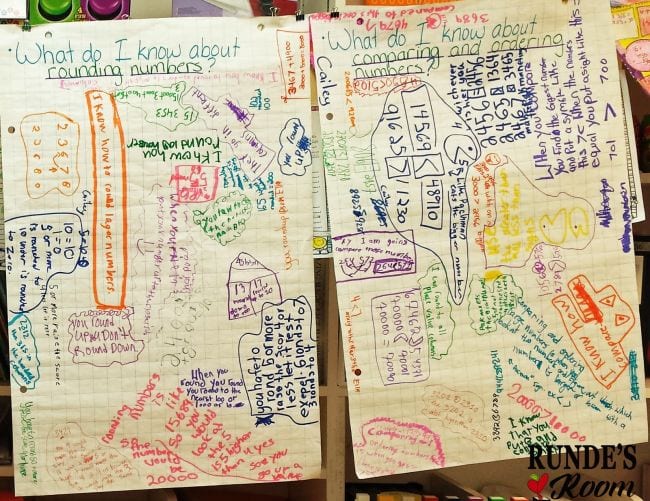
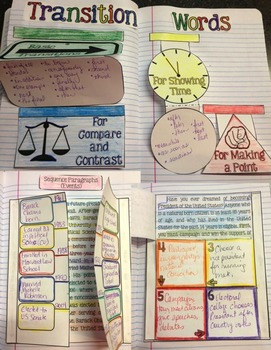
     There are so many different strategies you can use to teaching active learning, so I am going to discuss a few that I really enjoy. One common active learning strategy that is useful in the think, pair, share method. This method builds in a wait time so students really have to think about a response or solution. Then they share with a partner, which increases level of participation. This is a great wait to check for understanding about a topic. I also really enjoy the Biopoem assignment. It has a set of guidelines that students will use as a template to write about a character. This provides the students with a creative way to make a personal connection with a character or a concept. I strategy that is used a lot in my classes is the Graffiti wall. Students go around to different chart papers and add their own thoughts and knowledge about different concepts and topics. This strategy encourages students to move around. It can be used to gather pre-assessment data, access prior knowledge, or have students summarize their learning. The last active learning strategy I will discuss is interactive notebooks.    These are great tools for students to really take ownership of their own learning. Interactive notebooks just make taking notes more fun and organized!
Graffiti Walls in the Classroom - 20 Brilliant Ideas - WeAreTeachers Writing Interactive Notebooks: Writing Activities {Interactive ...
     As a teacher, it is important to remember that your students need to be active in their learning. Active learning strategies make a lesson more engaging and memorable for a student.

Thursday, April 9, 2020

Differentiation


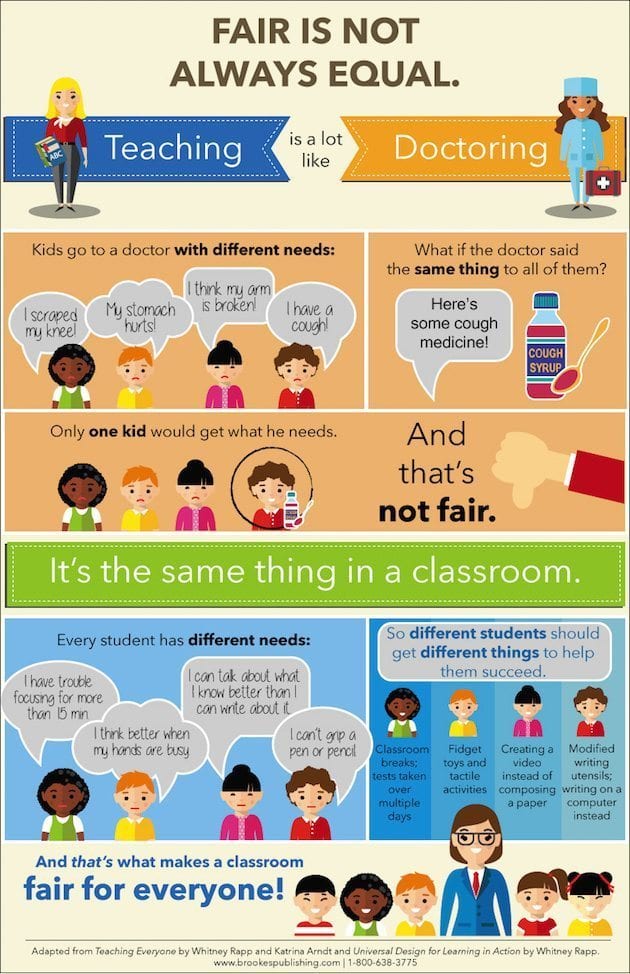
     First of all, I LOVE this video!!! Differentiation is a mindset!! Differentiation in a nutshell is just tailoring your instruction to meet the needs of ALL students. Differentiation gives all students with varying ability levels the best chance of learning. I like to think of differentiation as the Goldilocks Principle, not too hot and not too cold. The instruction needs to be just right for each student to learn. This could mean a change in content that is taught, the process in which it is taught, the end product, or the learning environment. It is our job as teachers to find what best suits each student to ensure success in and out of the classroom.
     Usually when you think of differentiation, your mind goes directly to your low performing students. These students may need added support in a foundational understanding of a concept. A large majority of under-performing students would benefit from a slight change in process. Imagine the success these kiddos could find from engaging in a hands-on activity, or an activity that suits their learning style. From my time in student teaching, I have seen differentiation that changes the way students show their knowledge. Students may be able to show they know a concept in a less traditional way. It is vital to show these students that they are valued without constantly feeling beaten down due to struggling in academics.  
     There are some students that are always forgotten when it comes to differentiation, and that is our average students and high performing students! All strategies that are used for under-performing students will benefit your average students as well. It is important for these guy to feel encouraged when sharing their voice in the classroom. Your higher students will need to be challenged more in the content area, because they tend to get bored. Other students that need to be tended to are your ELL students and unmotivated students, which was a group I didn’t even think of when it comes to differentiation. Bottom line, every student in your classroom has a different learning style, personality, and needs to be a successful learner, and teachers have the task of finding the methods and strategies that work for each particular child.
8 Ways to Get Real With Student Differentiation - WeAreTeachers

    A new app I learned about that sounds very interesting is GooseChase. With this app you can assign students to a mission. The students will be sent around the room to take pictures of specific things from the learning unit. It sounds super engaging, and would be beneficial to a large group of students with different needs.
4d) Tier 1: Differentiated Instruction and Scaffolding: UMTSS ...

Wednesday, April 8, 2020

What's the scoop on NearPod?


    If you have heard of Nearpod but aren’t very familiar, then you should definitely research this spectacular resource. As some of my teacher friends were presenting about the popular classroom tool in our class, I learned so much and was filled with excitement!
Felipe Sommer - Nearpod
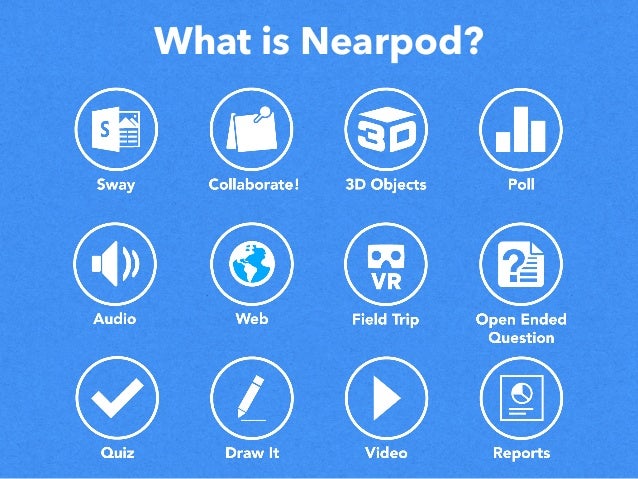
    So, what can you do with Nearpod? I think the better question to ask is what CAN’T you do with this software, because it offers so much for teachers. First, Nearpod offers pre-prepared, interactive lessons, so teachers can spend less time planning and more time teaching. The lessons are separated by subject and grade level, so teachers can easily find and pick out what lesson is needed. Teachers also have the option to add collaborate boards, quizzes, polls, matching activities, and even virtual field trips to the lessons to gear the lesson towards what the students need. Teachers can also synchronize and control lessons across all student devices. Students simply enter a code to begin sharing a live session. This ensures 100% student participation because students are actively participating in polls, open ended discussion questions, or the option to draw their thinking. It really gives students a voice in their learning.
    Another option that Nearpod offers is game-based learning, because who doesn’t love playing games? Time to Climb is a popular game that encourages friendly competition and student interaction as the students race to the top of the mountain while they are learning. It also serves as a great formative assessment tool to see where the students are in their learning. Speaking of formative assessment, this is the perfect software that provides multiple forms of assessment. Students interact with any device to participate in lessons that are rich in formative assessments, such as polls, quizzes, discussion questions, draw it options, and many more. Teachers will get real time feedback to assess what the students already know and what gaps need to be filled. It also provides a post session report for student learning.
    Nearpod easily works with Google Classroom. Teachers can upload existing Powerpoints, PDFs, and Google Slides presentations and convert them to interactive Nearpod lessons. It is so user friendly for teachers!
I could go on about all the awesome things about Nearpod, but I will finish with that most fun thing the app offers, VIRTUAL FIELDTRIPS! Nearpod VR works with many devices, with or without headsets, to take students all over the world! How cool is that?
Teachers Use Nearpod App To Enhance Student Learning | News ...

Tuesday, April 7, 2020

All Things Assessment


 Assessment is a HUGE part of teaching. Every single day teachers should be assessing the students to see what they know about what is being taught. From beginning to the end assessment should be happening. There are two types of assessment: informal and formal. Informal assessment is not “graded”, but it is used to see where students are in their learning. This assessment takes place during learning. An informal assessment may look like a teacher observing or listening to a student discussion to see what the student knows about the topic. Informal assessment may also be recognized as formative assessment because it takes place as the knowledge is still forming for students. Formal assessment on the other hand is very structured and takes place after learning. This is also known as summative assessment because it is the students’ opportunity to really show what they know in a comprehensive way. This is where teachers really test the knowledge of there students.
There are so many fun, awesome ways to use formative assessment in the classroom. Some examples include Think-Pair-Share, journal entries, 4 corners, and fun games like Kahoot! and Quizziz. Summative assessment may take form as a end of unit tests, large projects, and presentations. I really like the representation presented below because it sums up the difference between summative and formative assessment perfectly. Teachers use formative assessment to changed and adjusted to the lesson to ensure that students are getting what they need, just like a chef tastes the soup to adjust flavors as needed. Summative is the final product in which students present their final knowledge.
 
There are so many different types of assessments for both formative and summative. The possibilities are endless. Teachers can use traditional paper assessment, performance based assessments that show direct learning, or choose to use the multiple technological methods as an alternative. Some popular technology assessments include Kahoot!, Prodigy, Educreations, and my personal favorite Flipgrid. Whatever the method it is important to turn to formative assessments to understand where students are in there learning and what you need to do to get them where they need to be! Then use that summative assessment to asses your own teaching methods and evaluate how to improve the lesson on your end.


Monday, April 6, 2020

ELL Strategies for Success

  Resources for Teaching English-Language Learners | Edutopia

   If you are a teacher, chances are you’ve had an ELL student in your classroom! ELL stands for English Language Learners. ELL students are the sweet kiddos that are unable to communicate fluently or learn effectively in English. These students include your kiddos that are learning English as a second language, and these students usually come from non-speaking English homes and backgrounds. It is so important to remember that these students are not “lower” students. Usually they know or understand the concept that is being taught, but they just struggle with understanding and using the English language. Some teachers may feel lost about differentiating for an ELL student, which is totally understandable. It is hard to put yourself in the shoes of an ELL student to know what might be most effective for your English learners, but it is vital to provide modified or specialized instruction for these students to thrive in your classroom.
     First things first, you MUST cultivate relationships with the ELL students and their families. Many teachers advise going on home visits to get a more in depth understanding of the student’s home life, hobbies, and family. This knowledge about the student’s cultures should be brought in the classroom to make their culture feel appreciated and valued. By bringing in ELL students’ culture and language into the classroom, you will be creating a supportive environment that embraces their culture and abilities. It is also very important to make your students that are not fluent in English to feel comfortable. This can look like the teacher trying to communicate in their language or using their language in lessons. Even if the teacher sounds silly, at least the student sees that the teacher is trying, and this can make the student open up in the classroom. There are multiple ways to incorporate their native languages such as Google Translate, through videos, using books in their native language or books that reflect their culture, and through photographs. Another strategy to support ELL students is to increase think time. Your ELL students need time to process their thoughts and produce an answer. Even when speaking teachers should take their time when teaching so that ELL students can truly hear what you are saying. Differentiating assessment for ELL students is a great way to support the students. Sometimes the outcome way be different from other students in the class, but if there’s a way for the students to present their understanding, then let them. Make sure you give your students multiple ways to learn through writing, speaking, moving, drawing, and listening (think Gardner’s multiple intelligences).

     Remember that ALL students are different. It is our jobs to use whatever tools and resources we need to give all students an opportunity to thrive and succeed in the classroom. Try new things, think outside the box. You never know the impact you could be making!
Education Week American Education News Site of Record